How Delivery Timelines Influence Technical Decisions
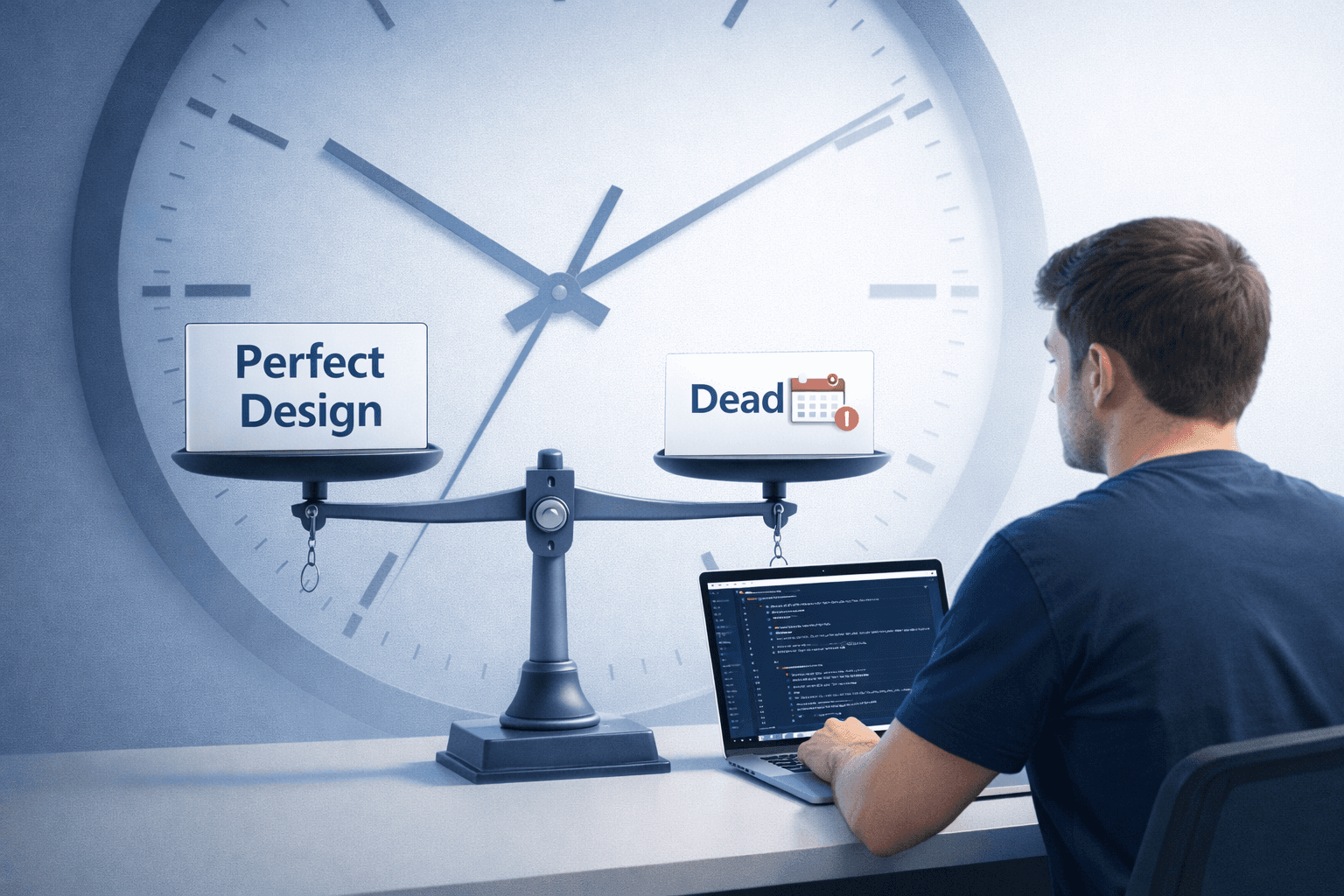
A lot of engineering graduates imagine software development as a clean and logical process. A requirement comes in, the team discusses the best design, developers write ideal code, testing happens, and the product goes live.
In the real IT industry, things are rarely that simple.
Most technical decisions are not made in isolation. They are shaped by deadlines, release pressure, business commitments, client expectations, and team capacity. This is why delivery timelines influence technical decisions far more than many freshers realize.
Understanding this early helps students become more practical, more employable, and more prepared for the real software work environment.
What does delivery timeline mean in IT?
In simple words, a delivery timeline in IT is the time available to complete a feature, fix, enhancement, migration, or release.
It may be:
a sprint deadline
a client go-live date
a production release window
a bug fix commitment
a milestone promised by the business
These timelines directly affect how teams choose architecture, code design, testing depth, tools, and even the order of implementation.
That is why technical decisions in software projects are often a balance between engineering quality and delivery speed.

Why timelines affect technical choices
Imagine a team has to deliver a customer-facing feature in two weeks.
In an ideal world, they may want to redesign a module properly, improve code structure, add automation, and build a scalable solution. But if the deadline is very close, they may choose a smaller implementation that solves the business problem first.
This does not always mean bad engineering. It often means practical engineering.
In real IT projects, the question is not always, “What is the perfect solution?”
Very often, the question becomes, “What is the best reliable solution we can deliver within the available time?”
That is the heart of real-world software delivery.
Common ways timelines shape technical decisions
1. Build vs quick enhancement
When deadlines are tight, teams may avoid building a system from scratch. Instead, they may extend an existing module, reuse a service, or add a controlled workaround.
This helps deliver faster and reduces implementation risk.
Freshers sometimes think reuse means weak development. In reality, smart reuse is often a sign of mature engineering.
2. Simplicity over overengineering
In college projects, students often try to make systems look advanced. But in companies, if a simpler design can meet the requirement safely and on time, teams often prefer it.
This is because complex solutions take longer to build, test, review, and maintain.
So one important lesson for IT freshers is this: good technical decisions are not always the most complex ones.
3. Testing strategy changes with release urgency
Testing is essential in every software project. But delivery pressure can influence how testing is planned.
For example, under tight timelines, teams may prioritize:
critical test cases first
regression on impacted modules
smoke testing for quick validation
phased improvements after release
This is common in agile teams and product releases. The goal is to protect quality while still meeting business commitments.
4. Technical debt sometimes increases
One of the biggest real IT industry practices students should understand is technical debt.
Sometimes teams knowingly choose a faster solution with the plan to improve it later. This may happen when a client deadline is fixed or a business opportunity is time-sensitive.
This is not ideal, but it is real.
Strong teams usually document such decisions and revisit them later. Weak teams keep adding shortcuts until the system becomes hard to maintain.
Why freshers should understand this early
For engineering graduates entering IT jobs, this topic is important because many campus hires expect development to be purely technical. But software delivery is both technical and business-driven.
When freshers understand how delivery timelines influence technical decisions, they start thinking like professionals. They become better at:
estimating effort
choosing practical solutions
communicating trade-offs
understanding release pressure
working effectively in agile teams
These are highly valued skills in software development, testing, support, and product engineering roles.
How to think like an industry-ready fresher
A fresher should not ask only, “Is this technically perfect?”
They should also ask:
Can this be delivered on time?
Is it safe for production?
Can the team test it properly?
Is this scalable enough for current needs?
What can be improved later?
This mindset reflects skill-based hiring expectations in today’s IT industry. Companies want people who can combine technical understanding with execution awareness.
The real lesson behind timelines and decisions
Delivery timelines do not just create pressure. They teach prioritization.
They teach teams when to optimize, when to simplify, when to reuse, and when to push back. They also teach freshers that software engineering is not only about writing code. It is about making responsible decisions under real constraints.
That is why practical exposure, structured learning, and project-based training matter so much for students preparing for IT careers.